Greenock Morton Football Club was founded in 1874 originally just as Morton Football Club, up until 1994 when the club renamed itself to Greenock Morton Football Club. Morton was a part of the early development of organised football in Scotland.
In its early years, Morton was involved in the formation of competitive Scottish football, becoming a member of the Scottish Football League in 1893. The club established itself as a regular competitor, building a reputation for consistency and resilience within the national game.
The most significant achievement in Morton’s history came in 1922, when the club won the Scottish Cup. Playing against Rangers at Hampden Park, Morton secured a famous victory that remains the club’s only major national trophy. This moment is widely regarded as the pinnacle of Morton’s success and continues to be celebrated by supporters more than a century later.
Across the decades that followed, Morton experienced a number of notable periods, including strong league performances in the 1900s and promotion campaigns that reinforced the club’s competitive standing. While major honours have been limited, the club has maintained a respected presence within Scottish football, often competing against larger and more finacially established sides.
Morton’s heritage is closely tied to the working-class identity of Greenock and the surrounding Inverclyde area. The club has long represented the character of its community. This connection has ensured that, regardless of results on the pitch, Morton has remained a central part of local culture.
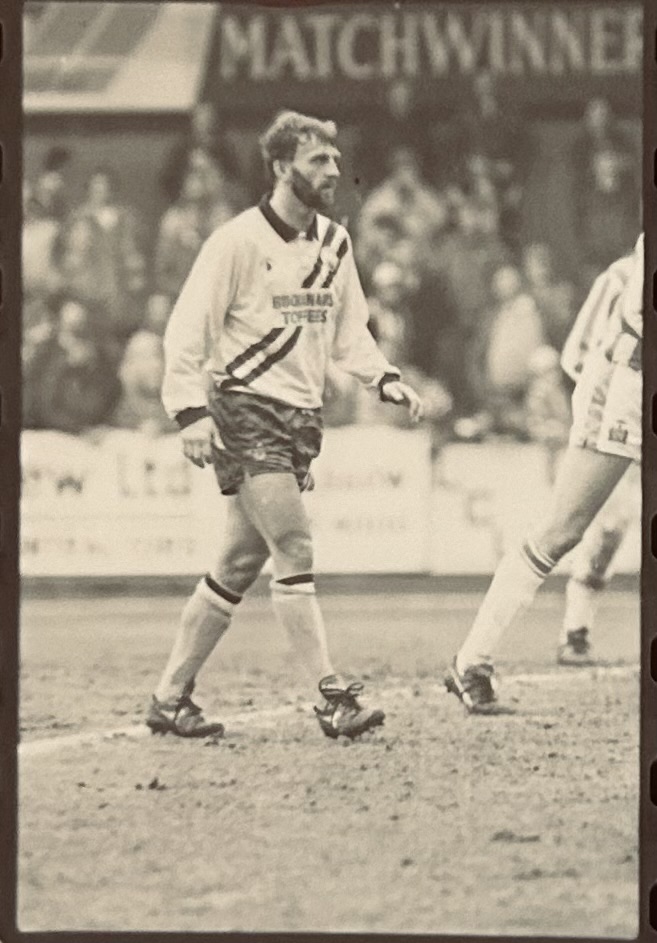
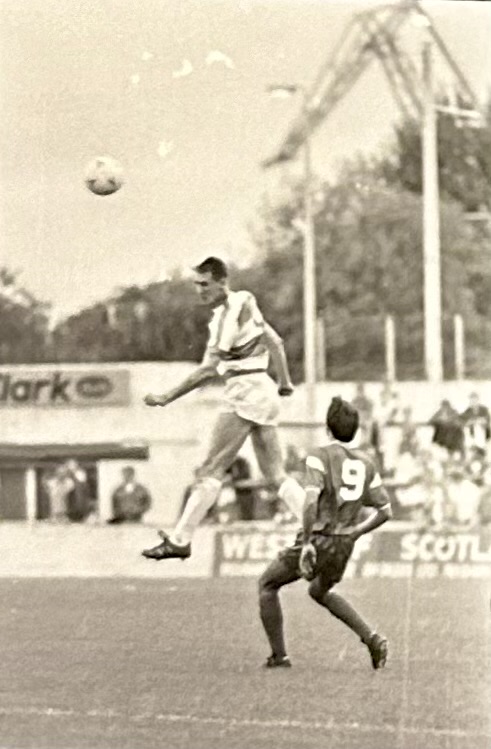
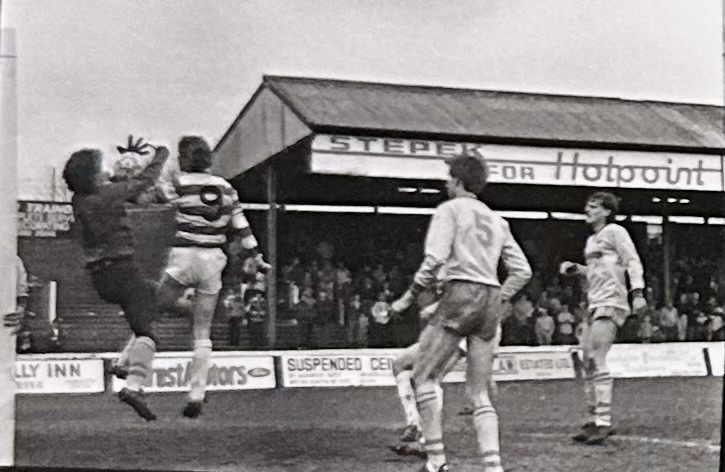
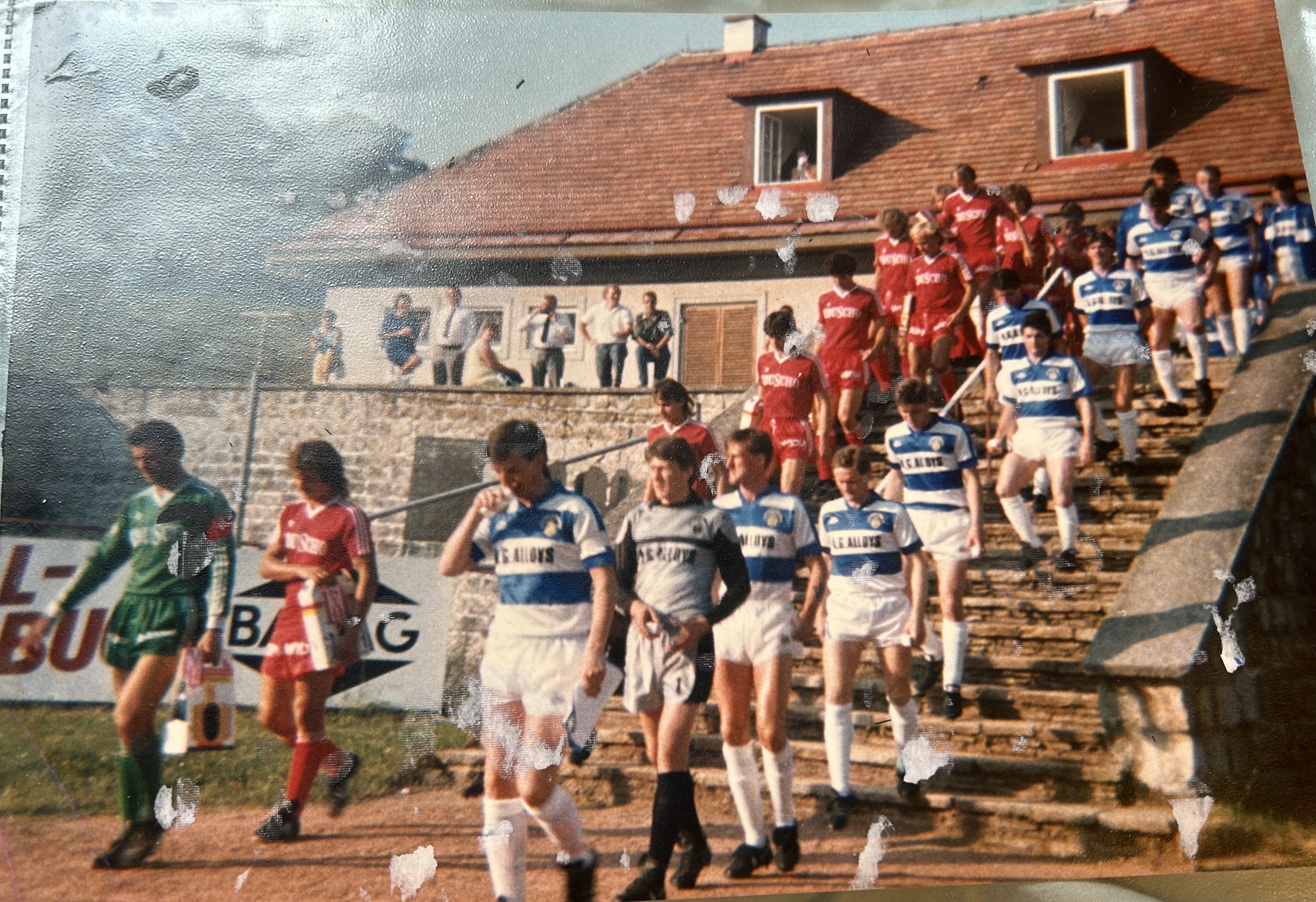
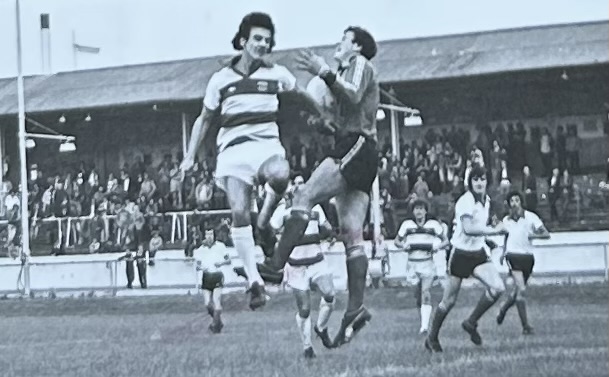
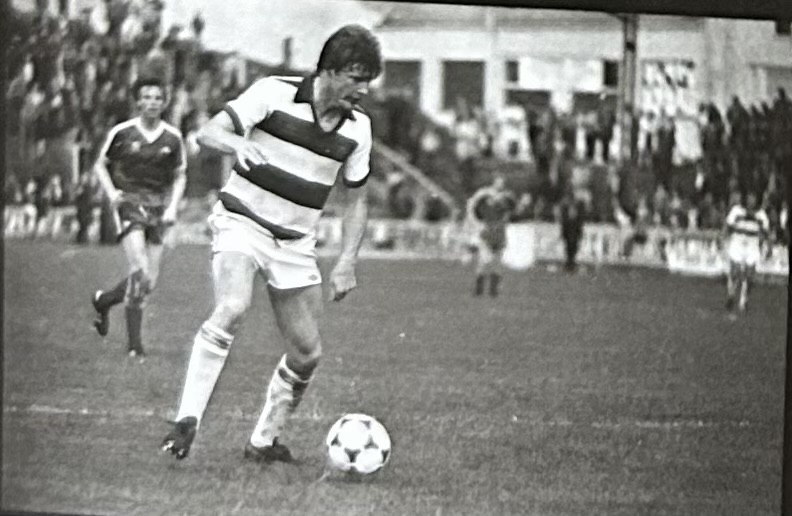
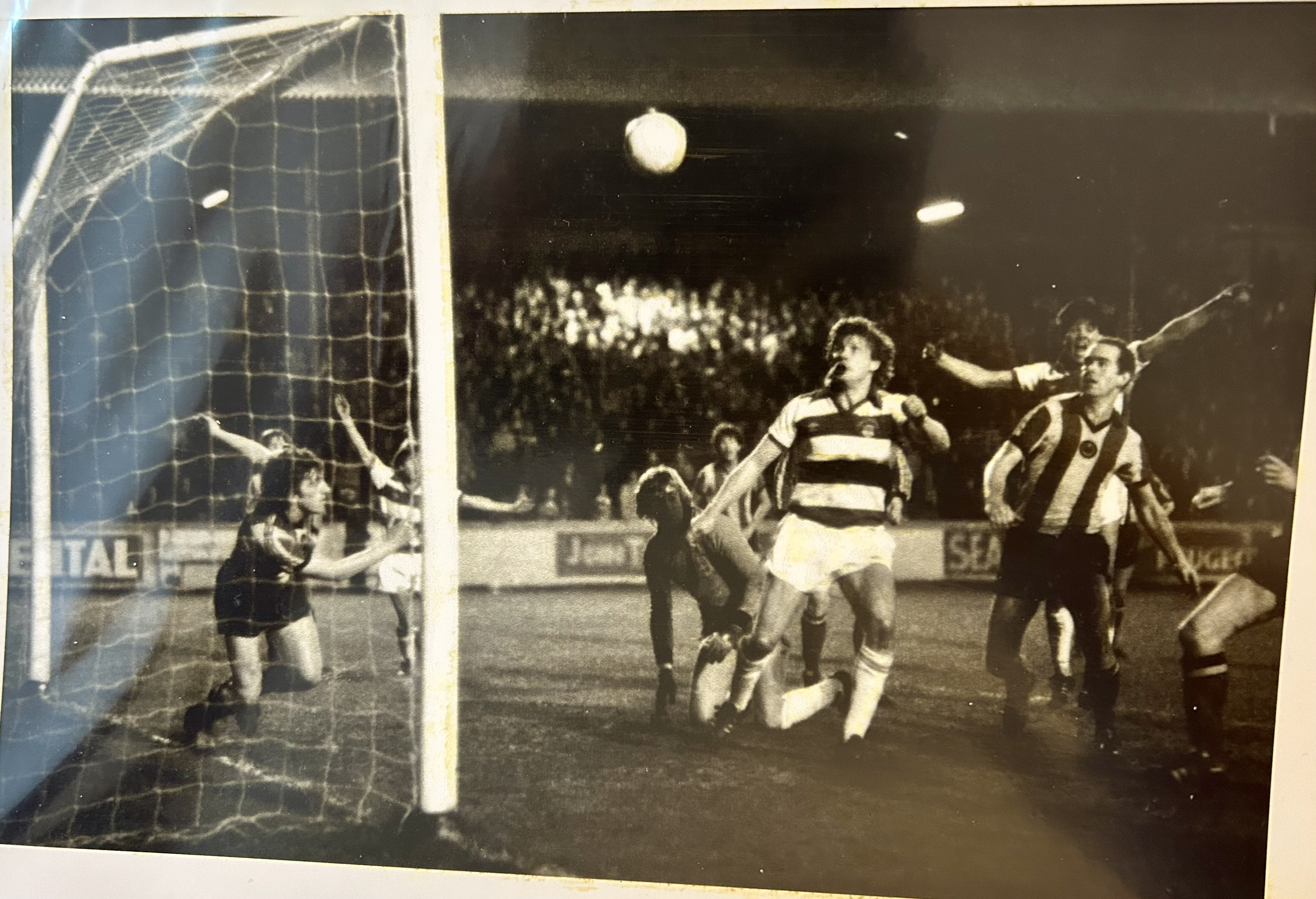
Historical photographs, matchday programmes, and personal collections held by supporters play an important role in preserving the clubs heritage. These materials provide insight into the club’s past and highlight the importance of memory and storytelling in maintaining Morton’s identity across generations.
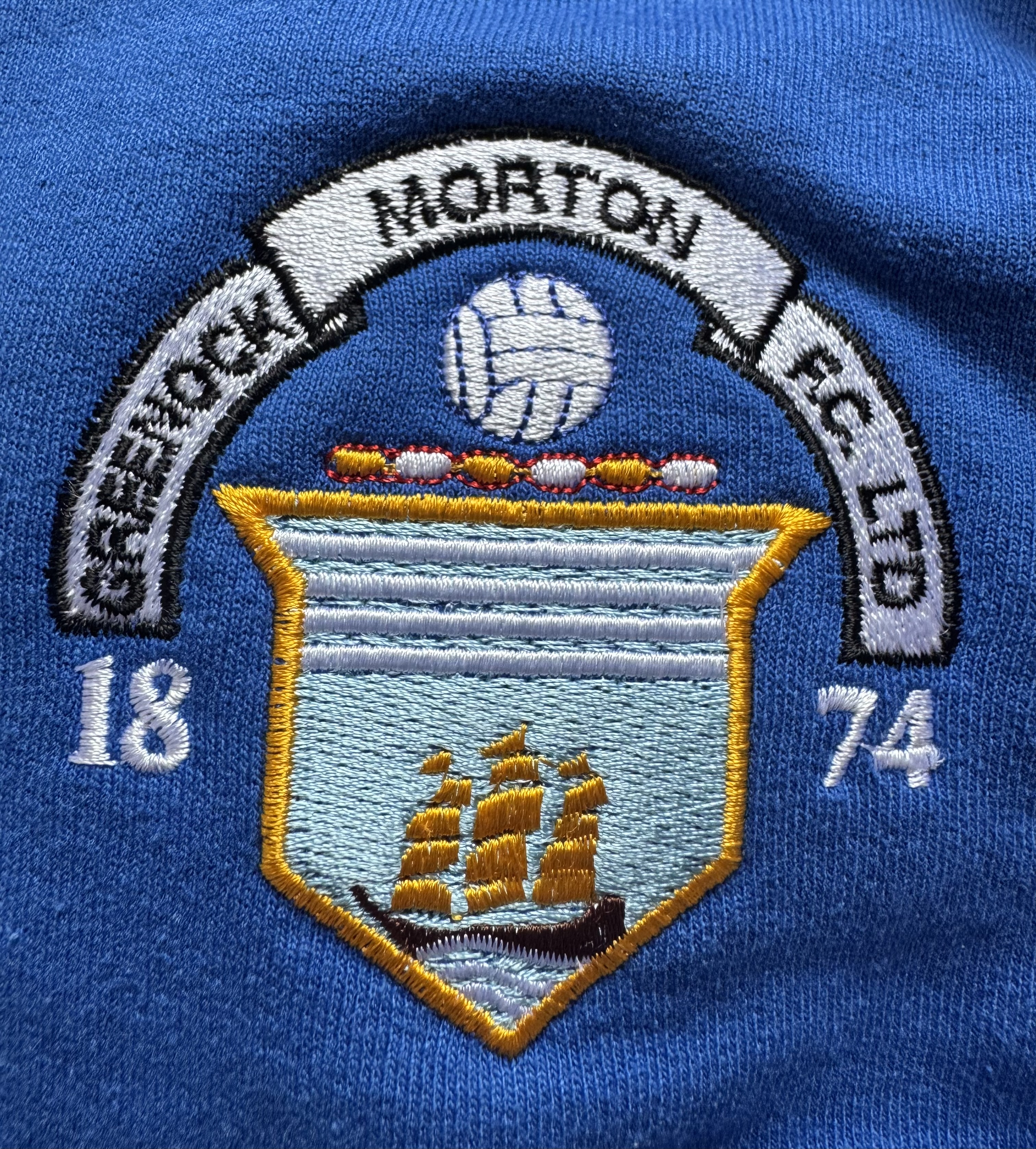
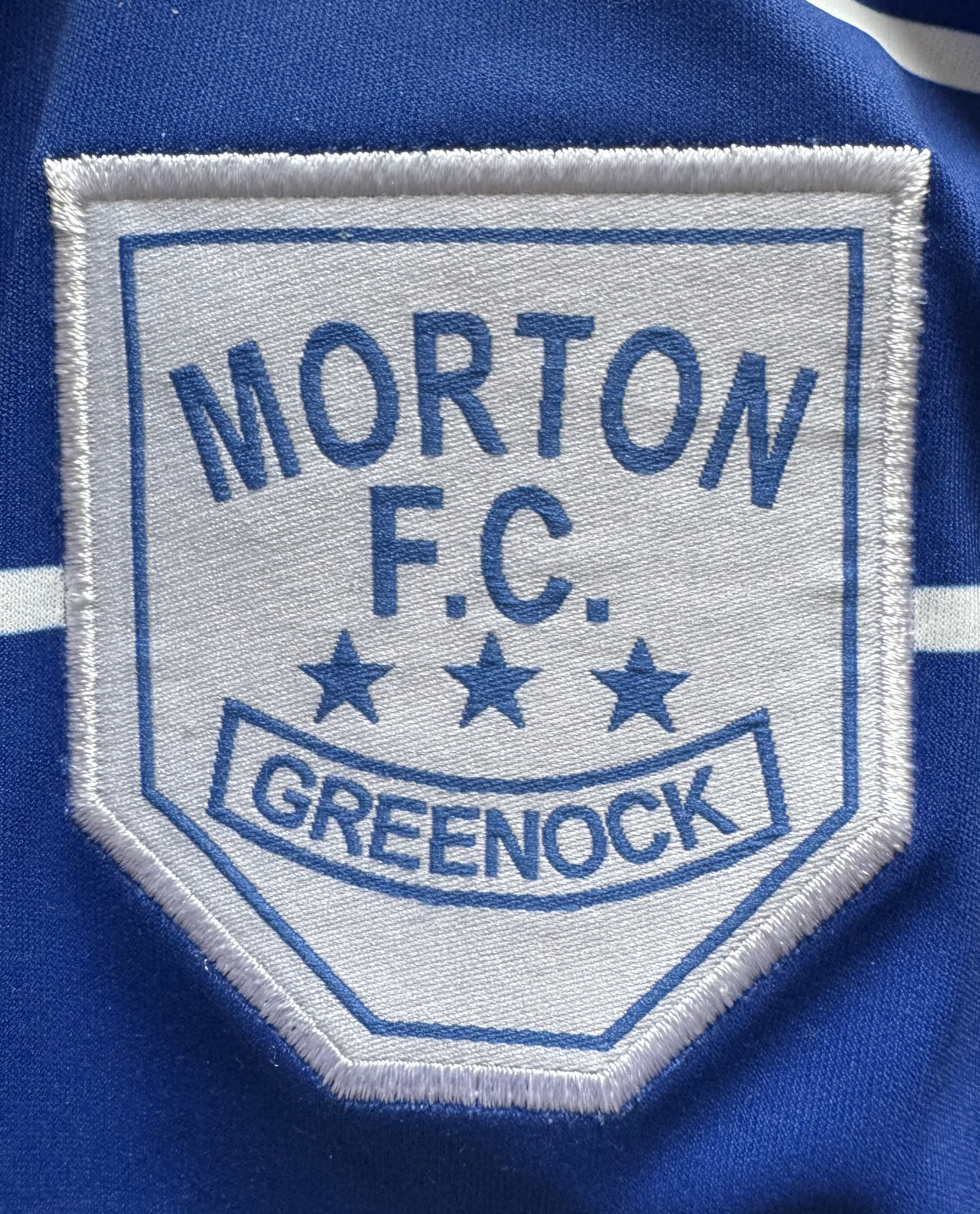
The badge of Greenock Morton Football Club has changed over time like most clubs. It reflects both the club’s heritage and its connection to Greenock. While earlier designs were simpler, often featuring basic lettering or minimal detail, the modern crest incorporates symbols that represent both football and local identity.
A key feature of the current badge is the ship, which pays tribute to Greenock’s historic links to shipbuilding and the River Clyde. This element reflects the town’s industrial past and highlights the deep connection between the club and its community. Above the ship sits a traditional football, conveying the club’s longstanding place within Scottish football since its foundation in 1874.
The inclusion of the club’s name and founding year further emphasises continuity and tradition, linking the modern team with its origins. Over time, the badge has been changed in design and detail, but its core elements have remained consistent, ensuring that it continues to represent both the club’s history and its identity.
Alongside the official crest, alternative or commemorative badge designs have occasionally been used on kits and merchandise. These variations often simplify or reinterpret the traditional elements, offering a modern aesthetic while still maintaining a clear link to the club’s heritage.
For fans of Greenock Morton Football Club, the badge is more than just a symbol worn on a shirt. It represents pride, belonging, and a shared identity that connects generations of fans. The Morton badge is a central part of the club’s visual and cultural identity.
Below you can see the current badge on the left, as well as an adaptation of an older style of badge on the right:
In this section is a collection of old images going way back representing the history and heritage of Greenock Morton Football Club.